
Customer relationships are at the heart of every successful business. Whether a company serves a small local market or manages thousands of customers across multiple regions, maintaining organized and meaningful interactions can directly influence sales, customer retention, and long-term growth. As businesses handle more leads, conversations, follow-ups, and transactions, relying on spreadsheets or scattered communication channels can quickly become inefficient. This is where customer relationship management software becomes valuable.
Choosing the best crm software can help businesses centralize customer information, streamline sales activities, improve communication, and make better decisions. A well-designed CRM system gives teams a complete view of their customers while providing tools that make everyday sales and service processes more efficient.
What Is CRM Software?
Customer relationship management software is a technology solution designed to help businesses organize and manage interactions with current and potential customers. Instead of keeping customer information in separate spreadsheets, email accounts, notes, and applications, a CRM creates a centralized location for important data.
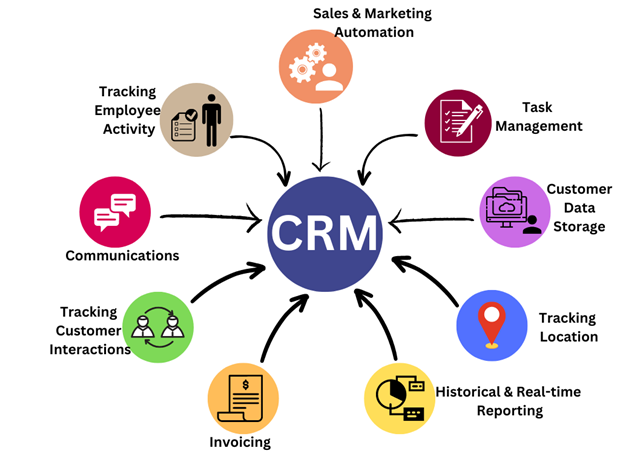
A CRM platform can store contact information, communication history, sales opportunities, customer preferences, tasks, appointments, and other relevant details. Sales representatives can quickly understand where a prospect is in the buying process, while customer service teams can review previous interactions before responding to a request.
The best crm software combines customer information with automation, reporting, communication, and sales management tools, helping organizations create a more consistent customer experience.
How CRM Software Improves Customer Relationships
Strong customer relationships require consistency and personalization. Customers expect businesses to understand their needs rather than repeatedly asking for the same information.
CRM software makes this easier by keeping customer data organized and accessible. Employees can review previous conversations, purchases, inquiries, and preferences before communicating with a customer. This allows them to provide more relevant responses and personalized recommendations.
A CRM can also help businesses remember important follow-ups. Sales representatives can schedule reminders for calls, emails, meetings, and other activities. Customer service teams can track unresolved issues and make sure requests are not forgotten.
When customers receive timely and informed communication, they are more likely to develop confidence in a business. Over time, this can contribute to stronger loyalty and improved retention.
Centralizing Customer Information
One of the most important benefits of CRM software is centralized information management. Without a CRM, customer information may exist across different systems and devices, making it difficult for employees to find accurate details.
A CRM brings essential information into one location. Contact details, sales notes, emails, tasks, meeting records, and customer interactions can often be viewed from a single customer profile.
This centralization improves efficiency because employees spend less time searching for information. It also makes collaboration easier. If one sales representative is unavailable, another team member can review the customer record and continue the conversation without starting from the beginning.
Supporting a More Efficient Sales Process
Sales teams often manage numerous prospects at different stages of the buying journey. Without an organized system, opportunities can be overlooked, follow-ups can be delayed, and important leads may be forgotten.
CRM software provides tools for managing the sales pipeline. Businesses can organize prospects according to stages such as new lead, qualified prospect, proposal, negotiation, and closed deal.
Sales representatives can see which opportunities require attention and prioritize their activities accordingly. Managers can also monitor pipeline activity and identify potential bottlenecks.
The best crm software can make this process even more effective by automating repetitive tasks and providing visibility into sales performance.
Automating Repetitive Tasks
Sales and customer service teams spend considerable time performing repetitive administrative tasks. Entering information, sending routine follow-up emails, creating reminders, and updating records can consume valuable working hours.
CRM automation can reduce this burden. Depending on the platform, businesses may automate lead assignments, follow-up reminders, email sequences, task creation, and other routine activities.
Automation does not replace the human side of customer relationships. Instead, it gives employees more time to focus on conversations, problem-solving, relationship building, and closing sales.
For growing businesses, this improved efficiency can become especially valuable because teams can handle a larger customer base without increasing administrative workload at the same rate.
Improving Lead Management
Not every lead has the same level of interest or buying potential. CRM software can help companies organize leads and identify which prospects deserve immediate attention.
Businesses can capture leads from different sources and maintain records of their interactions. Sales teams can then evaluate prospects based on factors such as engagement, customer needs, industry, location, or previous communication.
Lead management features can prevent valuable opportunities from being lost. Instead of keeping leads in disconnected spreadsheets or inboxes, employees can track them through a structured process.
Some CRM platforms also provide lead scoring and automation capabilities, allowing sales teams to focus their efforts on prospects most likely to convert.
Using Data to Improve Sales Performance
Business decisions are more effective when they are supported by reliable data. CRM software provides reporting and analytics tools that help organizations understand their sales activities and customer behavior.
Managers can track metrics such as lead conversion rates, sales revenue, pipeline value, sales cycle length, and representative performance. These insights can reveal which strategies are producing results and where improvements are necessary.
For example, if a company notices that many leads are being generated but few are progressing to the proposal stage, management can investigate potential problems in qualification or communication.
The best crm software turns customer and sales data into useful insights, helping businesses make informed decisions instead of relying entirely on assumptions.
Strengthening Team Collaboration
Customer relationships are rarely managed by just one person. Marketing, sales, customer service, and management teams may all interact with the same customer at different points.
A CRM provides a shared source of information that improves collaboration between departments. Marketing teams can understand which leads have entered the sales pipeline, sales representatives can review marketing interactions, and service teams can access customer histories.
This reduces information gaps and creates a smoother customer journey. Customers are less likely to receive repetitive questions or conflicting messages when employees have access to the same information.
Choosing the Right CRM for Your Business
There is no single CRM platform that is perfect for every organization. Businesses should evaluate their specific goals, team size, budget, industry requirements, and existing technology before selecting a solution.
Important features to consider include contact management, sales pipeline tracking, automation, reporting, integrations, mobile accessibility, customization, and security.
Ease of use is also important. A CRM may have many advanced features, but those features provide limited value if employees find the system difficult to understand or avoid using it.
Businesses should also consider scalability. A CRM that works well for a small team should ideally be capable of supporting additional users, customers, and processes as the company grows.
Maximizing the Value of CRM Software
Selecting CRM software is only the beginning. Businesses need to implement it properly to receive meaningful benefits.
Employees should receive appropriate training and understand how the CRM fits into their daily responsibilities. Customer records should be kept accurate and updated regularly. Businesses should also establish clear processes for entering information and managing leads.
Regularly reviewing CRM reports can help identify opportunities for improvement. Companies can adjust workflows, automation, and sales strategies based on real performance data.
Most importantly, CRM software should support a customer-focused strategy rather than become another administrative requirement. When teams use customer data thoughtfully, the technology becomes a powerful tool for building lasting relationships.
Conclusion
Customer relationship management has become an important part of modern business operations. As companies compete for attention and customer loyalty, organized communication and efficient sales processes can provide a significant advantage.
The best crm software can centralize customer information, automate repetitive activities, improve lead management, strengthen collaboration, and provide valuable sales insights. By selecting a CRM that matches their needs and implementing it effectively, businesses can create better customer experiences while improving sales performance.
A successful CRM strategy is ultimately about more than software. It is about giving employees the information and tools they need to understand customers, respond effectively, follow up consistently, and build relationships that support sustainable business growth.