
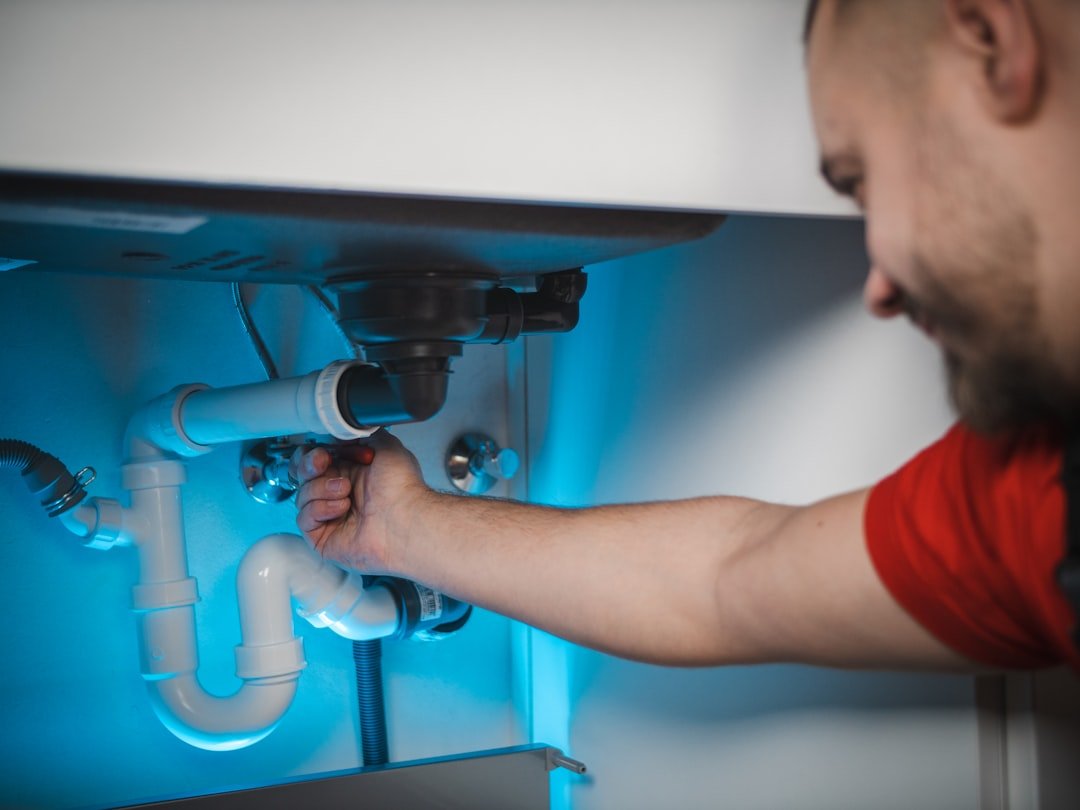
Water damage is one of the most disruptive problems a property owner can face. A small leak, blocked drain, damaged pipe, or poorly sealed window may appear harmless at first, but moisture can quickly spread into walls, ceilings, floors, and structural materials. In a busy city such as Barcelona, where properties range from historic buildings to modern apartments, preventing water-related problems is an important part of responsible property maintenance. Taking action before damage becomes severe can reduce repair expenses, protect valuable belongings, and help maintain a property’s long-term condition.
Understanding the Importance of Water Damage Prevention
Water rarely remains limited to the location where it first appears. A leaking pipe beneath a sink can allow moisture to enter cabinets and flooring, while a roof leak can gradually affect insulation, ceilings, and electrical components. If the source is not addressed quickly, what begins as a minor maintenance issue can become a much larger restoration project.
The goal of preventing water damage Barcelona is to identify potential risks early and address them before they develop into expensive problems. Prevention involves regular inspections, proper maintenance, quick responses to warning signs, and improvements to vulnerable areas of a property.
Small Problems Can Become Major Repairs
One of the biggest reasons prevention matters is that water damage often develops gradually. A slow leak may remain unnoticed behind a wall for weeks or months. During this time, moisture can weaken materials and create conditions where mold and unpleasant odors develop.
By discovering these problems early, property owners can often resolve them with relatively simple repairs. Waiting until visible staining, warped flooring, peeling paint, or structural deterioration appears may significantly increase the cost and complexity of the work.
Common Sources of Water Damage in Barcelona Properties
Different types of properties can experience different water-related risks. Apartments may be affected by plumbing leaks, bathroom problems, washing machine connections, or overflowing fixtures. Older buildings may have aging pipes, roof weaknesses, or deteriorating seals that require additional attention.
Heavy rainfall can also expose weaknesses in roofs, balconies, terraces, windows, and drainage systems. Blocked gutters and drains can prevent water from flowing away efficiently, increasing the possibility of water entering areas where it does not belong.
Plumbing and Drainage Issues
Plumbing systems should be inspected regularly for signs of leaks, corrosion, loose connections, or unusual water pressure. Even a small drip can cause significant damage when it continues unnoticed.
Drains also deserve attention. Slow drainage can indicate buildup or blockage, and ignoring the problem may eventually lead to overflow. Keeping drainage systems clean and addressing plumbing concerns promptly can help reduce unnecessary exposure to moisture.
Roofs, Windows, and Exterior Areas
The exterior of a property provides an important barrier against rainwater. Damaged roof tiles, cracked surfaces, worn sealants, and poorly maintained windows can create entry points for water.
Regularly checking these areas is particularly useful before periods of heavy rainfall. Replacing deteriorated seals or repairing small cracks is generally easier than dealing with extensive interior damage later.
How Preventive Maintenance Reduces Repair Costs
Preventive maintenance works because it focuses on solving problems while they are still manageable. Instead of paying for extensive restoration, owners can invest in inspections and relatively minor repairs that prevent larger failures.
For example, replacing a worn pipe connection may be inexpensive compared with repairing water-damaged flooring, drywall, cabinetry, and electrical systems. Similarly, maintaining a roof can help prevent water from reaching insulation and structural materials.
Early Detection Saves Time and Money
Regular inspections make it easier to identify warning signs such as damp patches, discoloration, musty smells, bubbling paint, condensation, or unexplained increases in water consumption. These signs should not be ignored.
The sooner a potential problem is investigated, the greater the opportunity to stop it before it spreads. Early intervention can also reduce disruption because smaller repairs may require less time and fewer materials.
Protecting Structural Components
Water can gradually affect important parts of a building. Persistent moisture may weaken wood, damage plaster, deteriorate finishes, and contribute to corrosion around metal components. In severe cases, prolonged exposure can affect structural elements.
Preventing water damage Barcelona therefore involves more than protecting cosmetic features. It also means protecting the building itself. Regular maintenance of roofs, plumbing, drainage, balconies, and exterior surfaces can help preserve the integrity of the property.
Preventing Mold and Moisture-Related Problems
Excess moisture can create an environment where mold grows. Besides affecting the appearance and smell of a room, mold can become a significant cleaning and remediation concern.
Good ventilation, prompt leak repairs, and effective moisture control can reduce the likelihood of persistent dampness. Bathrooms, kitchens, basements, and other areas exposed to frequent moisture should receive particular attention.
Practical Steps Property Owners Can Take
Water damage prevention does not always require complicated measures. Simple habits can make a meaningful difference when they are performed consistently.
Inspect visible plumbing connections under sinks and around appliances. Check ceilings and walls for unusual stains. Keep drains clear and remove debris from gutters and exterior drainage areas. Examine window and door seals for deterioration. After heavy rainfall, look for signs that water has entered the property.
It is also useful to know where the property’s main water shutoff is located. If a major leak occurs, being able to stop the water quickly can limit the amount of damage while professional assistance is arranged.
Responding Quickly to Warning Signs
A small stain on a ceiling or a damp patch near a wall should not automatically be treated as a minor cosmetic issue. These signs may indicate a hidden leak or water entry point.
Prompt investigation helps identify the cause before the affected area becomes larger. Property owners should also document recurring problems so that patterns can be identified and underlying causes addressed instead of repeatedly treating surface symptoms.
The Long-Term Value of Prevention
Preventing water damage is not simply about avoiding an unexpected repair bill. It is also an investment in the long-term value and usability of a property. Well-maintained properties are generally easier to manage, more comfortable to occupy, and less vulnerable to sudden maintenance emergencies.
Prevention can also support renovation efforts. When moisture problems are controlled, newly installed flooring, paint, cabinetry, and other improvements are less likely to be damaged by hidden leaks or excessive dampness.
Creating a Maintenance Routine
A practical maintenance schedule can make prevention easier. Monthly checks can focus on visible plumbing, drains, appliances, and moisture indicators. Seasonal inspections can include roofs, balconies, windows, gutters, and exterior drainage.
After severe weather, an additional inspection can help identify problems that may not have been present previously. Keeping records of repairs and inspections can also help property owners understand which areas require more frequent attention.
Choosing Professional Help When Necessary
Some water-related problems can be identified by property owners, but others require professional expertise. Hidden leaks, persistent dampness, structural concerns, and recurring water intrusion should be investigated by qualified professionals.
Professional assessment can help determine where water is coming from, how far it has spread, and what repairs are necessary. Addressing the root cause is essential because simply drying or repainting an affected area may not solve an ongoing leak.
Conclusion
Water damage can become expensive when small problems are ignored for too long. Leaks, blocked drainage systems, damaged seals, roof weaknesses, and excessive moisture can gradually affect a property’s appearance, structure, and value. Fortunately, many of these risks can be reduced through regular inspections, timely maintenance, and quick action.
Preventing water damage Barcelona provides a practical approach to protecting properties from avoidable repair costs. By identifying warning signs early, maintaining plumbing and exterior systems, and responding quickly to water-related issues, property owners can reduce the likelihood of major damage. Prevention ultimately offers greater control over maintenance expenses while helping keep Barcelona properties safe, comfortable, and well maintained.